
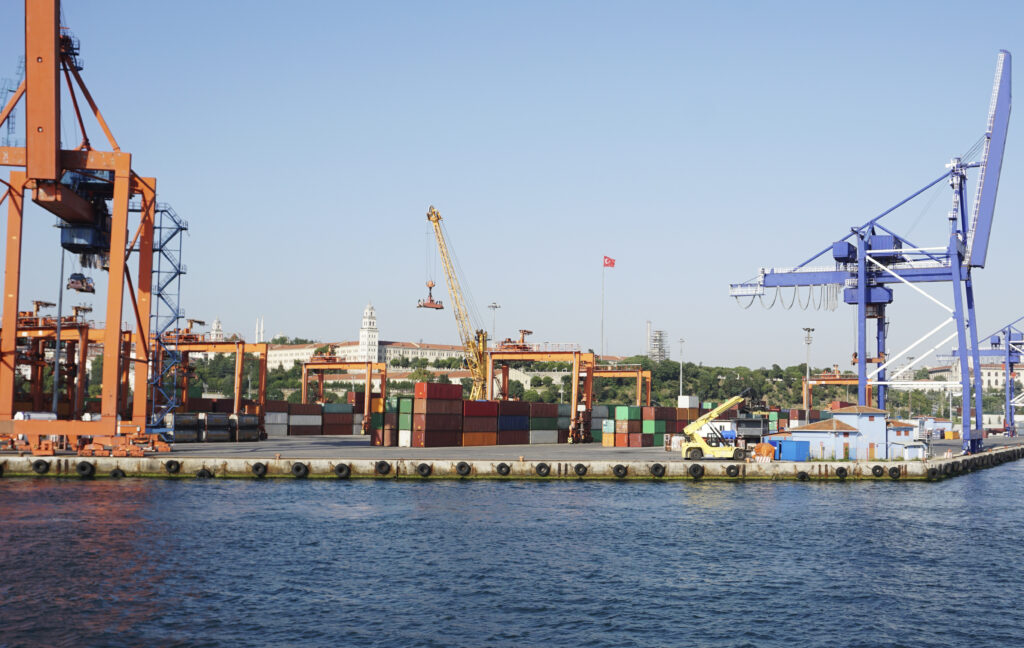
General Overview of the Maritime Market
- The global maritime market has been experiencing significant fluctuations due to multiple factors, including the post-pandemic economic recovery, supply chain disruptions, and changes in demand across specific services. Fleet capacity, fuel costs, and regulatory policies have also influenced pricing and route allocation. In addition, environmental trends have contributed to longer transit times and efforts to reduce the carbon footprint by lowering vessel speeds (general cargo vessels: 18–20 knots / 33–37 km/h).
Currently, ports worldwide are experiencing significant delays due to multiple factors, including:
➢ High port congestion: Increased cargo volumes, combined with limitations in operational capacity, have resulted in long waiting times for container unloading and clearance.
➢ Supply chain disruptions: Shortages of handling equipment, such as cranes, trucks, and containers, as well as labor disruptions, have contributed to reduced efficiency in port operations.
➢ Adverse weather conditions: Extreme weather events in different regions have affected both maritime and inland transportation operations.
➢ Changes in Shipping Routes and Sailing Frequencies: Shipping lines are adjusting their itineraries to adapt to the global situation, which may result in changes to estimated times of arrival (ETAs).
These factors explain the fluctuations in ETAs and the delays we are currently communicating.
Specific Developments Affecting South America and Mexico Routes
Withdrawal of OOCL and YML Vessels from the Colombia/Mexico Route
Reason: The decision by these shipping lines may be driven by a strategic restructuring aimed at optimizing their commercial networks, responding to changes in demand, or reducing operating costs.
Market Impact: The withdrawal of these vessels temporarily reduces capacity on this specific route, which could create upward pressure on freight rates if demand remains stable or increases. However, since other shipping lines may offset this reduction, the overall impact could be moderate.
Reorientation Toward Brazil/Argentina: The transfer of capacity to these routes suggests increased interest in establishing direct connections with South American markets, possibly driven by growth in bilateral trade or specific logistics opportunities.
- Support for the Brazil/Argentina Route
The greater presence of vessels on this route indicates a strategy aimed at taking advantage of commercial opportunities in the region, potentially driven by regional trade agreements or changes in import/export patterns.
- ZIM Blank Sailings in July
Blank sailings (scheduled departures without cargo) are commonly used to maintain flexibility and capacity availability. The absence of a significant impact on contract rates suggests that:
✓ Demand remains relatively stable.
✓ Additional supply has not substantially altered the market balance.
✓ Existing contracts maintain a certain level of rigidity or are supported by long-term agreements that help absorb short-term fluctuations.
Current Fluctuations and Outlook
- Prices and Contracts: Although no immediate price changes are currently being observed, strategic restructuring and capacity movements could have a medium-term impact if trends in capacity reduction or redistribution continue.
- Capacity and Supply: The redistribution of capacity toward Brazil/Argentina routes may partially ease congestion or competition on other traditional routes, but it could also create new competitive dynamics.
- External Factors: Changes in fuel costs, regional and international regulatory policies, and global economic events will continue to influence market fluctuations.
Summary
Recent decisions by OOCL and YML reflect a strategic adjustment to current maritime market conditions. The shift toward Brazil/Argentina may indicate a stronger focus on markets with growth potential. Meanwhile, the apparent price stability following ZIM’s blank sailings suggests that the market is maintaining a certain degree of balance, although potential future changes resulting from these restructurings should continue to be closely monitored.
Our commitment is to continue working closely with you to minimize these impacts.
Together, we can move the world!